
In today’s digital world, having a website is not enough. If people cannot find your website on search engines like Google, your content will not reach the right audience. This is where On Page SEO becomes very important. On Page SEO helps search engines understand your content and improves your chances of ranking higher in search results.
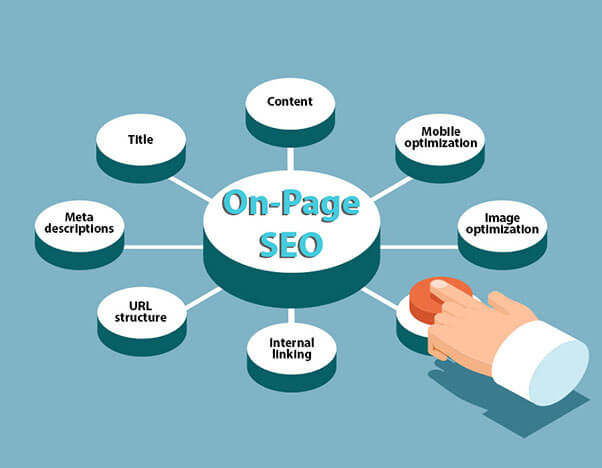
On Page SEO refers to the process of optimizing individual web pages to improve their visibility and ranking in search engines. It includes optimizing elements such as titles, headings, content, images, internal links, and URLs. When done correctly, On Page SEO helps search engines understand your webpage better and also improves the user experience for visitors.
For beginners in digital marketing, learning On Page SEO is one of the most important skills. It helps websites gain organic traffic without spending money on paid advertisements. In this guide, we will explain what On Page SEO is and the key elements that help improve your website’s ranking.
What is On Page SEO?
On Page SEO is the practice of optimizing the content and structure of a webpage to make it more search-engine friendly. It focuses on improving elements that are directly present on the page itself. Unlike Off Page SEO, which focuses on backlinks and external signals, On Page SEO deals with content quality, keywords, HTML tags, and user experience.
The main goal of On Page SEO is to help search engines understand what your webpage is about. When search engines clearly understand your content, they can show your page to users searching for related information.
For example, if someone searches for “On Page SEO guide for beginners,” search engines will try to find pages that contain relevant keywords, clear headings, helpful content, and proper optimization. Pages that follow good On Page SEO practices are more likely to rank higher.
On Page SEO also focuses on improving readability and usability. A well-optimized page should be easy to read, organized with proper headings, and contain valuable information for the reader. When visitors spend more time on your page and find useful information, search engines consider your page more relevant and trustworthy.
Title Tags and Meta Description In On Page Seo
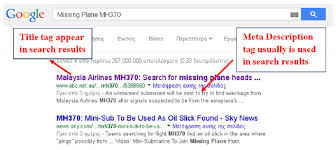
Title tags and meta descriptions are important parts of On Page SEO because they help search engines and users understand what your page is about.
A title tag is the clickable headline that appears on the search engine results page. It should clearly describe the content of the page and include the focus keyword. A good title tag is usually between 50 and 60 characters so that it appears fully in search results.
For example, a good title tag for this article could be:
“What is On Page SEO? A Beginner’s Guide to Website Optimization.”
The meta description is a short summary of the webpage that appears below the title in search results. Although it does not directly affect rankings, it plays an important role in encouraging users to click on your page.
A good meta description should:
- Be around 150–160 characters
- Clearly explain what the page is about
- Include the focus keyword naturally
For example:
“Learn what On Page SEO is and how to optimize title tags, meta descriptions, images, internal links, and URLs to improve your website ranking.”
When title tags and meta descriptions are well written, they improve click-through rate and help bring more visitors to your website.
Internal Linking In On Page Seo
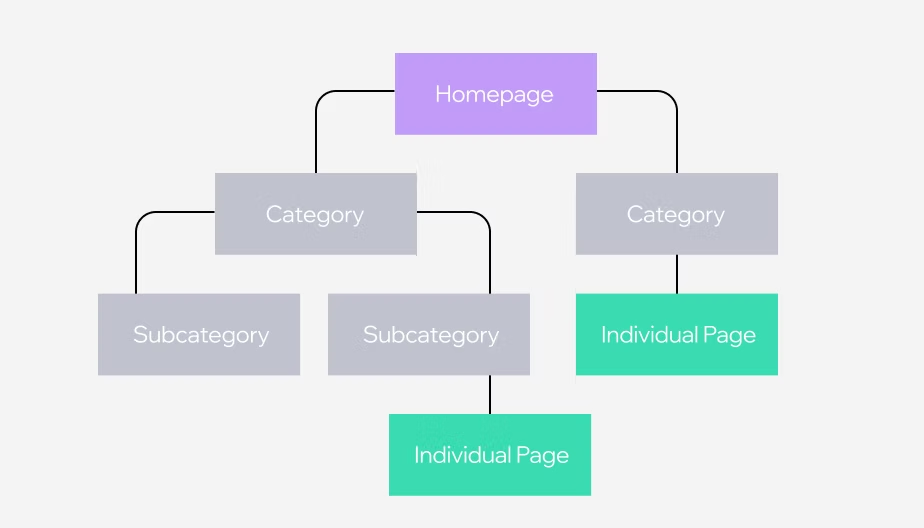
Internal linking is another important element of On Page SEO. It refers to linking one page of your website to another page within the same website. Internal links help search engines discover new pages and understand the structure of your website.
For example, if you have a blog about keyword research and another blog about On Page SEO, you can link both articles together. This helps readers explore more content on your website and stay longer on your site.
Internal linking has several benefits. It helps distribute page authority across your website, improves navigation, and increases the time visitors spend on your site. When users easily find related information, they are more likely to trust your website.
While adding internal links, it is important to use relevant anchor text. Anchor text is the clickable text used in the link. Instead of writing “click here,” it is better to use meaningful text like “learn more about keyword research.”
A well-structured internal linking strategy helps both search engines and users understand your content better.