
Technical SEO is one of the most important parts of search engine optimization. While On Page SEO focuses on content and Off Page SEO focuses on backlinks, Technical SEO ensures that your website is properly structured so that search engines can crawl, index, and rank it effectively. Without strong Technical SEO, even high-quality content may struggle to rank on search engines like Google.
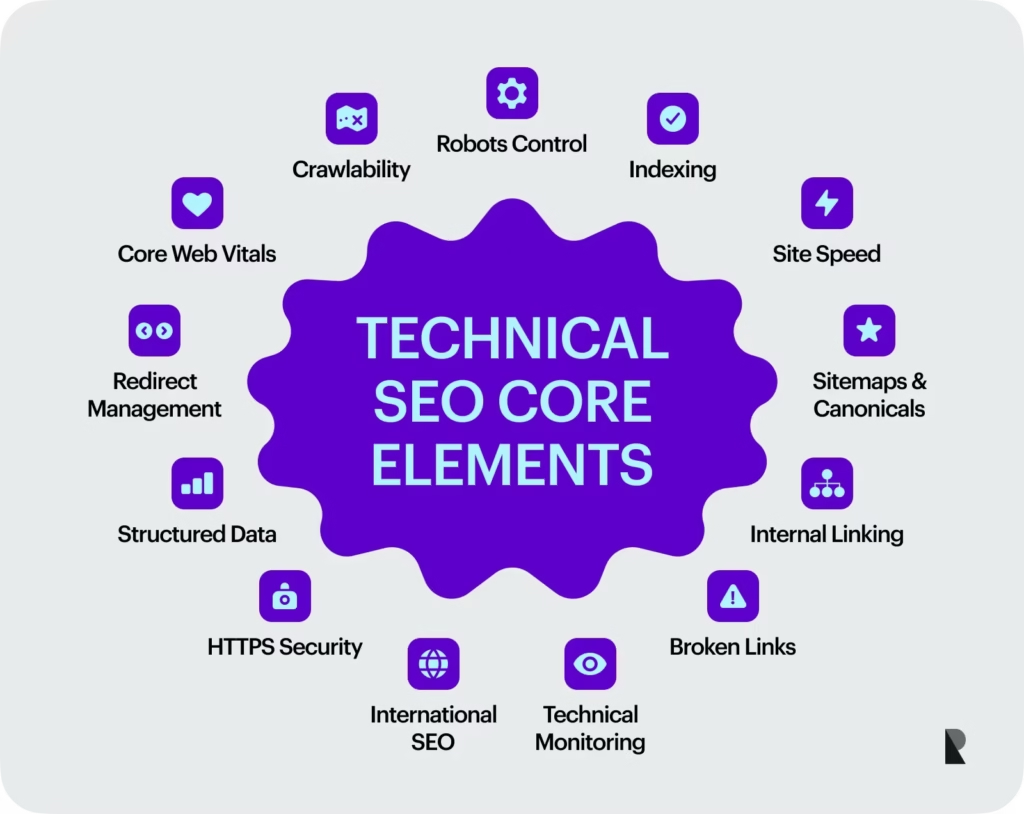
Technical SEO refers to the process of optimizing a website’s technical elements to improve its performance and visibility in search engine results. It focuses on website speed, mobile-friendliness, secure connections, crawlability, indexing, structured data, and overall website architecture. The main goal of Technical SEO is to make it easier for search engines to access and understand your website.
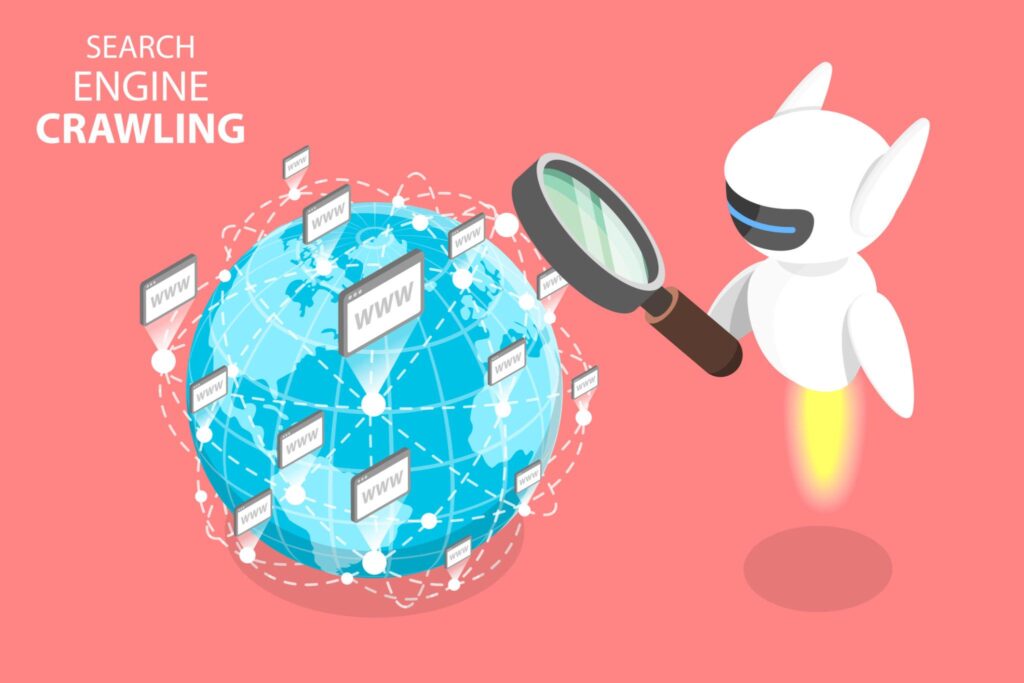
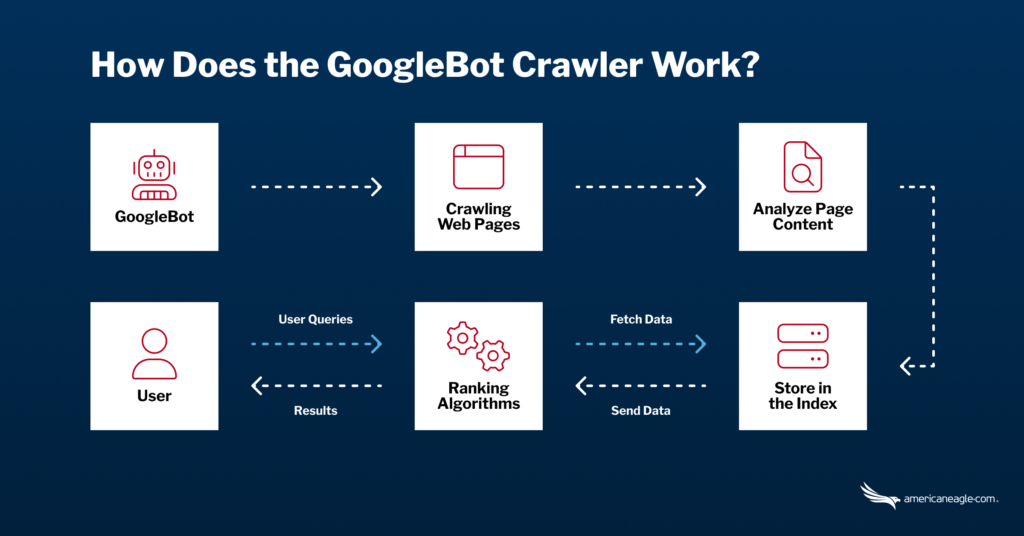
Search engines use bots, also known as crawlers, to scan websites and collect information. If your website has technical issues such as slow loading speed, broken links, or poor structure, search engines may not properly crawl your pages. As a result, your website may not appear in search results. This is why Technical SEO plays a crucial role in improving rankings.

One of the most important aspects of Technical SEO is website speed. Page loading speed directly affects user experience and search engine rankings. If a website takes too long to load, users are likely to leave quickly. Search engines consider this behaviour a negative signal. Improving website speed can be done by compressing images, minimizing code, enabling browser caching, and using a reliable hosting provider. A fast website not only ranks better but also keeps visitors engaged.
Mobile-friendliness is another essential part of Technical SEO. Today, most users browse the internet using mobile devices. Search engines like Google use mobile-first indexing, which means they primarily evaluate the mobile version of your website when determining rankings. If your website is not responsive or does not display properly on smartphones, it can negatively impact your SEO performance. A responsive design ensures that your website adjusts smoothly to different screen sizes.
Crawlability and indexing are core components of Technical SEO. Crawlability refers to a search engine’s ability to access and scan your website pages. Indexing means storing and organizing your pages in the search engine database. If a page is not indexed, it will not appear in search results. You can check indexing status using tools like Google Search Console. Proper use of robots.txt files and meta tags helps control which pages search engines can crawl and index.
An XML sitemap is another important technical element. A sitemap is a file that lists all important pages of your website. It helps search engines understand your website structure and find new or updated content quickly. Submitting your sitemap through Google Search Console improves your chances of faster indexing. A well-structured sitemap ensures that no important pages are missed by search engine crawlers.
Website security is also a ranking factor in Technical SEO. Secure websites use HTTPS instead of HTTP. HTTPS encrypts data between the user and the website, providing a safe browsing experience. Search engines prefer secure websites and may show warnings for non-secure pages. Installing an SSL certificate helps protect user information and improves trust and credibility.

Another important part of Technical SEO is fixing broken links and errors. Broken links create a poor user experience and make it difficult for search engines to crawl your site properly. Regularly auditing your website for 404 errors, redirect issues, and server errors ensures smooth navigation and better SEO performance. Using proper 301 redirects when moving or deleting pages helps preserve link equity and avoid ranking loss.
Structured data, also known as schema markup, enhances how your website appears in search results. It helps search engines understand the context of your content. For example, structured data can display star ratings, product prices, FAQs, and other rich results in search listings. These enhanced results increase click-through rates and improve visibility.
Canonical tags are another Technical SEO element that prevents duplicate content issues. If multiple URLs contain similar or identical content, search engines may become confused about which version to rank. A canonical tag tells search engines which version is the original and should be prioritized. This helps maintain ranking strength and avoids penalties.

Website architecture also plays a key role in Technical SEO. A clear and organized site structure helps both users and search engines navigate your website easily. Important pages should not be buried deep inside multiple folders. Ideally, users should reach any important page within three clicks. A logical structure improves crawl efficiency and distributes authority across pages.
Internal linking supports Technical SEO by connecting related pages within your website. It helps search engines discover new content and understand the relationship between pages. A strong internal linking structure improves user experience and increases time spent on the website.
Core Web Vitals are performance metrics introduced by Google to measure user experience. These metrics focus on loading performance, interactivity, and visual stability. Improving Core Web Vitals helps enhance website performance and search engine rankings. Optimizing images, reducing server response time, and minimizing layout shifts contribute to better scores.
Technical SEO may seem complex for beginners, but it is essential for long-term success. Without proper technical optimization, even the best content strategy may fail to deliver results. Technical SEO builds the foundation upon which On Page and Off Page SEO strategies can succeed.
In conclusion, Technical SEO ensures that your website is accessible, fast, secure, and easy to understand for search engines. It includes optimizing website speed, mobile responsiveness, crawlability, indexing, sitemap structure, security, structured data, and overall website architecture. By focusing on Technical SEO, you create a strong technical foundation that supports higher rankings and better user experience. For anyone serious about digital marketing, mastering Technical SEO is a crucial step toward building a successful and sustainable online presence.