
Search Intent in SEO is one of the most important concepts for ranking higher on search engines like Google. Many beginners focus only on keywords, but they forget to understand what the user actually wants. Search intent refers to the purpose behind a user’s search query. When someone types a query into Google, they have a specific goal in mind. If your content matches that goal, your chances of ranking increase significantly.
Search engines have become smarter over the years. Earlier, ranking was mostly about adding keywords repeatedly in content. Today, search engines analyze user behavior, content relevance, and intent to provide the most accurate results. This means that understanding Search Intent in SEO is just as important as keyword research. If your content does not satisfy user intent, it will struggle to rank even if it is well optimized.
There are four main types of search intent in SEO: informational, navigational, transactional, and commercial investigation. Each type represents a different user goal. Understanding these types helps you create content that aligns perfectly with what users are searching for.
Informational intent occurs when users are looking for information or answers. For example, someone searching “What is SEO?” wants to learn about SEO. They are not trying to buy anything; they just need knowledge. Blog posts, guides, tutorials, and how-to articles work best for informational intent. If your content clearly explains the topic and answers user questions, search engines are more likely to rank it higher.
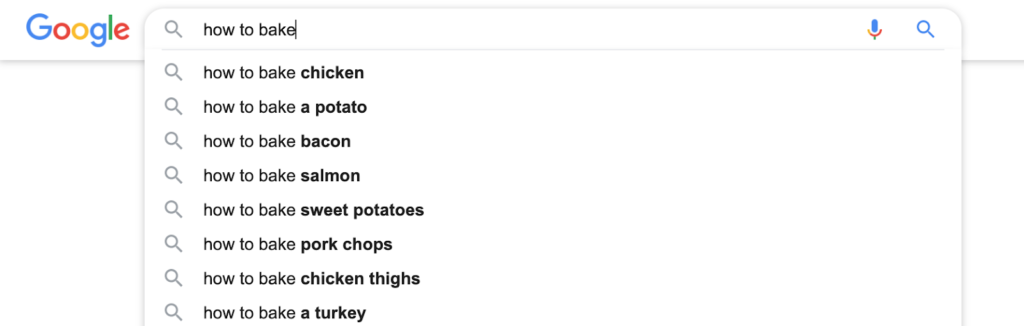
Navigational intent happens when users want to visit a specific website. For example, if someone searches “YouTube login” or “Facebook homepage,” they are trying to navigate to a particular platform. In this case, search engines prioritize official websites. Optimizing for navigational intent usually involves brand name optimization and proper website structure.
Transactional intent means the user is ready to take action, such as making a purchase or signing up for a service. Keywords like “buy,” “discount,” “order,” or “subscribe” indicate transactional intent. E-commerce pages, product pages, and landing pages are designed to satisfy this type of search intent in SEO. If your website sells products or services, creating optimized landing pages for transactional keywords can increase conversions.
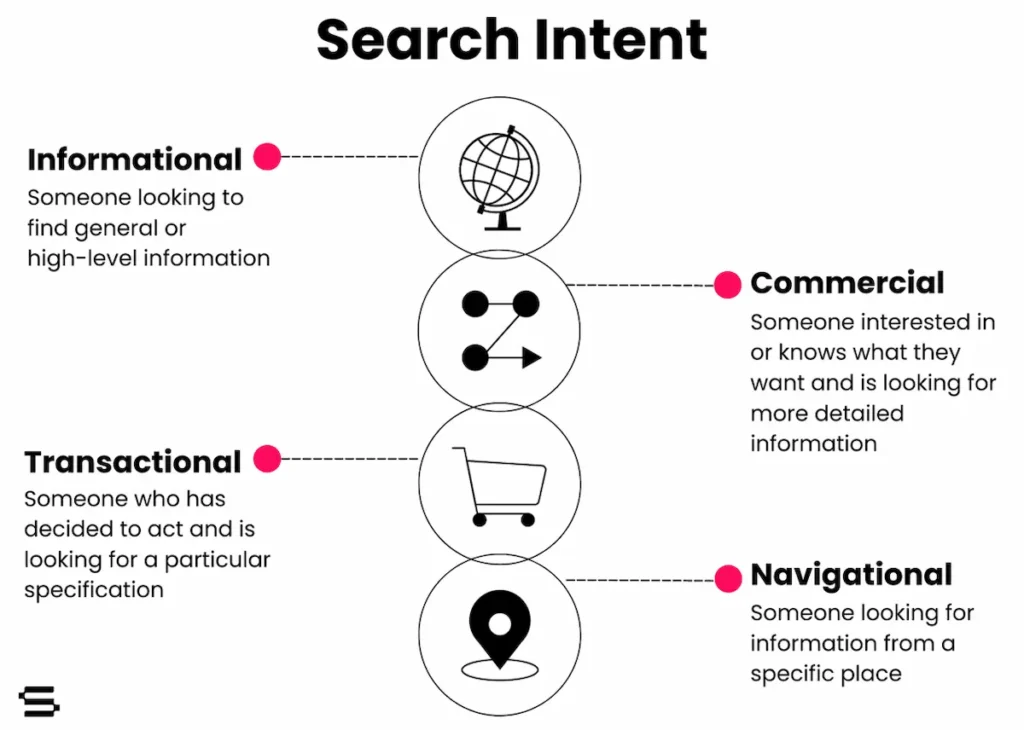
Commercial investigation intent lies between informational and transactional intent. In this stage, users are researching products or services before making a decision. For example, someone searching “best SEO tools” or “top digital marketing courses” is comparing options. Review articles, comparison blogs, and list-based content perform well for commercial investigation intent.
Understanding Search Intent in SEO helps you choose the right content format. For informational intent, long-form blog posts work best. For transactional intent, optimized landing pages are ideal. For commercial investigation, comparison articles or reviews perform better. Matching the content type with the intent improves user satisfaction and ranking potential.
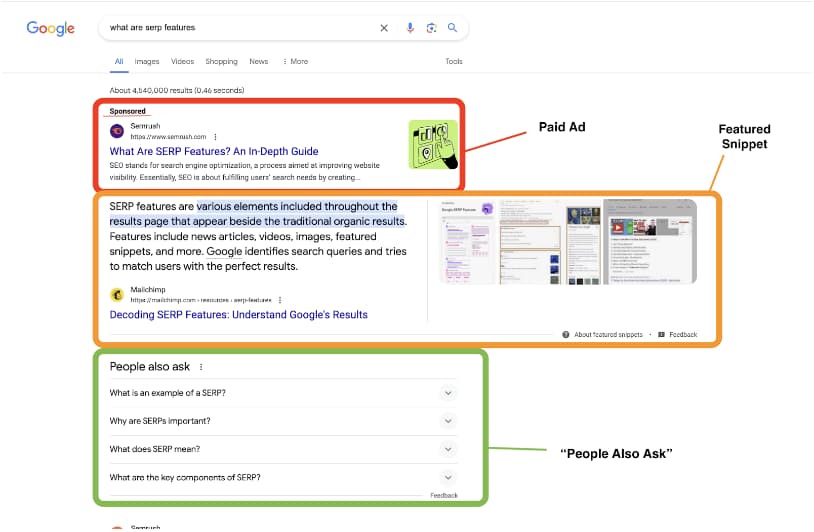
One practical way to identify search intent is by analyzing search engine results pages (SERPs). Type your target keyword into Google and observe the type of content ranking on the first page. If most results are blog posts, the intent is likely informational. If product pages dominate the results, the intent is transactional. Studying the SERP gives you clear guidance on what kind of content to create.
Another important factor in Search Intent in SEO is user experience. Search engines track how users interact with content. If visitors quickly leave your page, it signals that the content did not satisfy their intent. On the other hand, if users spend more time reading and engaging, it indicates that your content matches their needs. This is why clear structure, proper headings, and easy-to-read content are important.
Using the right keywords is still important, but they must align with intent. For example, targeting the keyword “SEO course” without understanding intent may lead to poor results. If users searching this keyword want to compare courses, a detailed comparison article will perform better than a simple definition page.
Content optimization should focus on answering questions directly and clearly. Including FAQs, examples, and practical explanations improves relevance. Search engines aim to deliver the best answer to users, so your goal should be to provide complete and helpful information.
Search intent also impacts content updates. Sometimes rankings drop because user intent changes over time. For example, if users start searching for updated tools or trends, old content may lose relevance. Regularly updating your blog posts ensures they continue to satisfy user intent.
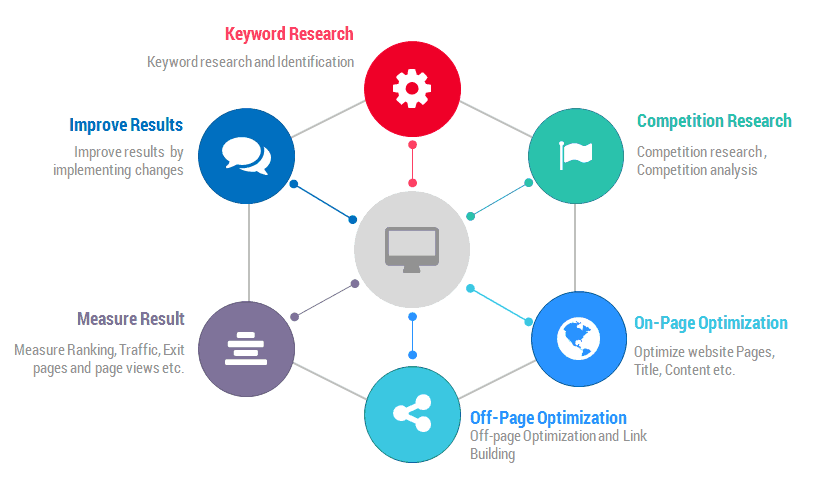
For beginners in digital marketing, mastering Search Intent in SEO provides a strong competitive advantage. Many websites fail to rank because they create content without analyzing intent. When you understand what users truly want, you can create targeted, high-quality content that performs better.
In conclusion, Search Intent in SEO is the foundation of modern search engine optimization. It focuses on understanding the purpose behind user queries and creating content that satisfies that purpose. The four main types of intent—informational, navigational, transactional, and commercial investigation—guide content strategy. By analyzing search results, aligning content format with user intent, and improving user experience, you can significantly increase your chances of ranking higher on search engines. When keyword research and search intent work together, your SEO strategy becomes much more powerful and effective.
To explore more detailed guides on SEO, digital marketing, and website optimization, feel free to visit our website. https://training.digitalnaaz.in/ Stay updated with our latest blogs to improve your knowledge and boost your online success.