
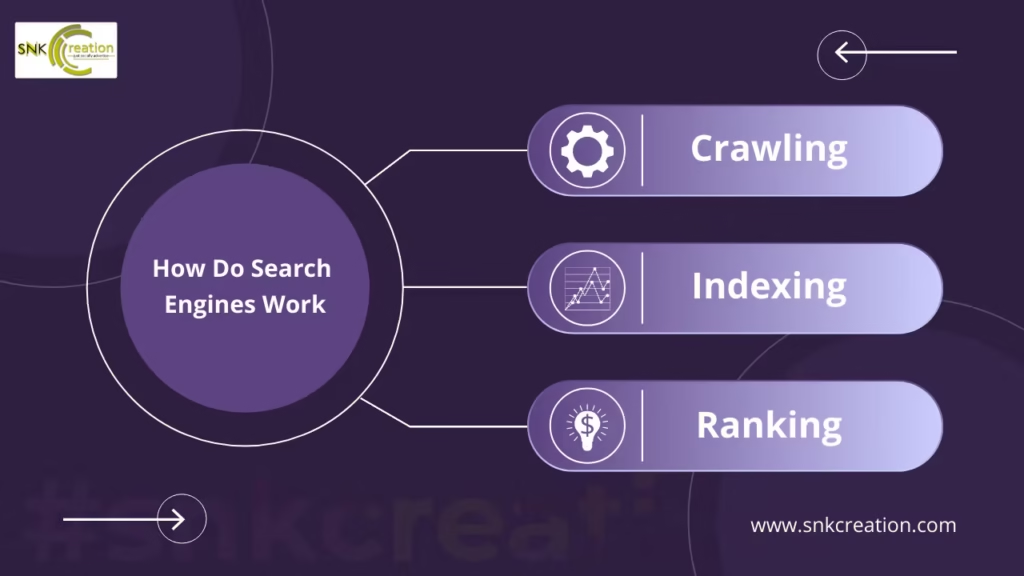
The workflow of search engines plays a crucial role in how information is discovered and presented on the internet. Every time a user types a query into a search engine like Google, a complex yet highly efficient process takes place in the background within seconds. This process ensures that the most relevant and useful results are displayed to the user. For anyone learning SEO, digital marketing, or content creation, understanding the workflow of search engines is essential because it helps in optimizing content and improving website visibility. By knowing how search engines operate, you can create better strategies to rank your content higher and reach the right audience effectively.
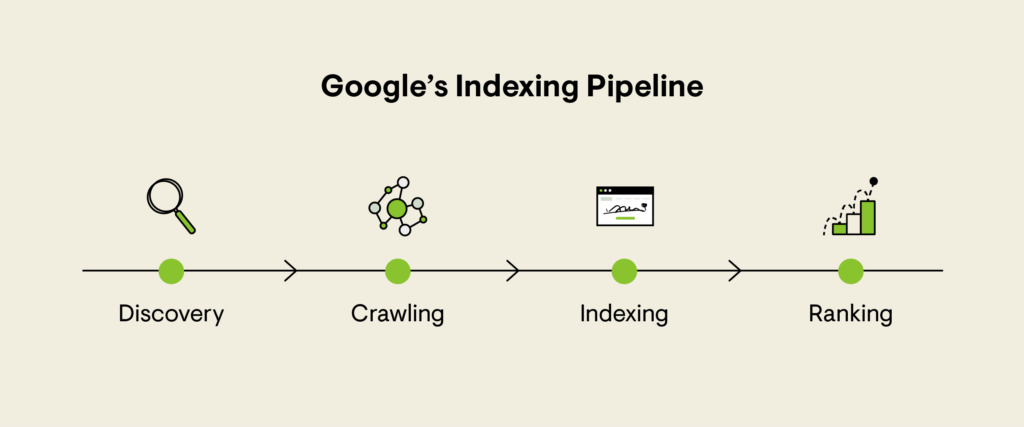
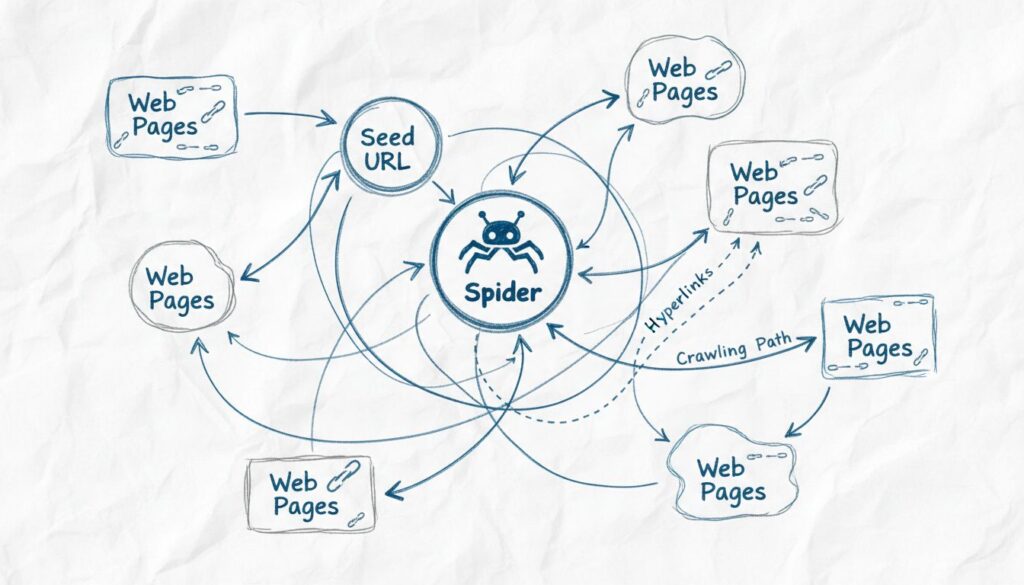
The workflow of search engines can be understood in four main steps: crawling, indexing, ranking, and displaying results. These steps work together to deliver accurate search results to users. The first step, crawling, involves discovering new and updated web pages across the internet. Search engines use automated programs known as crawlers or spiders to scan websites. These bots follow links from one page to another and collect information about the content available online. For example, when you publish a new blog post, these crawlers visit your page, analyze its content, and gather relevant data. Crawling is important because if a page is not discovered by search engines, it cannot appear in search results.
Once the crawling process is completed, the next step in the workflow of search engines is indexing. Indexing refers to storing and organizing the collected data in a massive database known as an index. This index works like a digital library where all web pages are categorized based on their content, keywords, and relevance. During this stage, search engines analyze the page content, including text, images, and other elements, to understand what the page is about. If your page is not indexed, it will not be visible to users in search results, no matter how good your content is. Therefore, proper indexing is essential for any website that wants to gain visibility online.
The third step in the workflow of search engines is ranking, which is one of the most critical aspects of SEO. When a user enters a search query, the search engine scans its index to find relevant pages and then ranks them based on various factors. These factors include the use of keywords, the quality and relevance of the content, website speed, mobile-friendliness, user experience, and backlinks from other websites. Search engines aim to provide the best possible results, so they prioritize pages that offer high-quality and useful information. Ranking determines the order in which web pages appear in search results, and higher-ranked pages receive more clicks and traffic. This is why businesses and content creators focus heavily on improving their ranking through effective SEO techniques.

The final step in the workflow of search engines is displaying the results on the Search Engine Results Page, commonly known as SERP. Once the ranking is finalized, the search engine presents the results to the user. These results may include organic listings, paid advertisements, featured snippets, images, videos, and other types of content. The goal of the search engine is to provide a user-friendly experience by showing the most relevant results quickly and efficiently. The SERP layout can vary depending on the search query, but it always aims to satisfy the user’s intent. Understanding how SERPs work can help you optimize your content to appear in featured sections and gain more visibility.

The entire workflow of search engines happens within seconds, yet it involves complex algorithms and advanced technologies. This efficiency is what makes search engines so powerful and useful in everyday life. For website owners and digital marketers, understanding this workflow is the foundation of successful SEO strategies. By focusing on creating high-quality content, using relevant keywords, and ensuring a good user experience, you can improve your chances of ranking higher in search results. Additionally, technical factors such as website speed, mobile optimization, and proper indexing play a significant role in determining your website’s performance.
Another important aspect of the workflow of search engines is user intent. Search engines are designed to understand what users are looking for and provide results that best match their needs. This means that simply adding keywords is not enough; your content must also be valuable, informative, and engaging. By aligning your content with user intent, you can improve your ranking and attract more organic traffic. Furthermore, building backlinks from reputable websites increases your site’s authority and helps search engines trust your content more.
In conclusion, the workflow of search engines is a structured and efficient process that enables users to find the information they need quickly. The four main steps—crawling, indexing, ranking, and displaying results—work together to deliver accurate and relevant search results. For anyone involved in digital marketing or content creation, understanding this workflow is essential for achieving success online. By applying SEO best practices and focusing on quality content, you can improve your website’s visibility and reach a larger audience. As search engines continue to evolve, staying updated with their working process will help you maintain a strong online presence and achieve long-term growth.
👉 I’ve also created a complete video explaining this topic in a simple way. Don’t miss it—watch now on my YouTube channel! https://www.youtube.com/watch?v=o962z5L8VoI